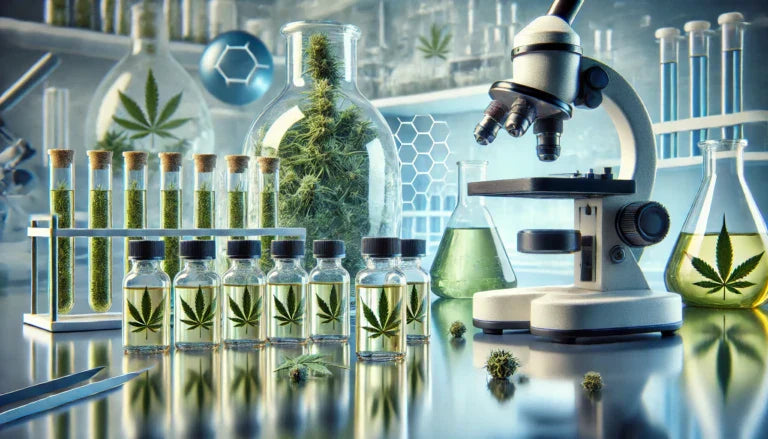
No, pure hemp seed oil is extremely unlikely to cause a failed drug test because hemp seeds naturally contain negligible amounts of THC, the compound most drug tests screen for. Pure hemp seed oil is made from the seeds of the hemp plant rather than the flowers, leaves, or stalks where cannabinoids are found.
However, product quality still matters. In rare cases, poorly processed or contaminated hemp products may contain trace amounts of THC, which is why choosing products from reputable manufacturers with third-party lab testing is important.
|
That said, "extremely unlikely" isn't the same as "impossible." Understanding why is key to using hemp products with confidence, especially if you're subject to workplace or legal drug testing. |
What Is Hemp Seed Oil, Exactly?
Hemp seed oil is made by cold-pressing hemp seeds. Because it is produced from the seeds rather than the plant's flowering parts, it naturally contains negligible amounts of cannabinoids, including THC. Hemp seeds are prized for their nutritional value, including omega-3 and omega-6 fatty acids, protein, vitamin E, and minerals such as magnesium and zinc.
You'll find hemp seed oil in salad dressings, smoothies, cooking oils, and skincare products. It's sold in grocery stores and health food shops precisely because it's treated as a food product, not a cannabinoid supplement. Unlike CBD oil, hemp seed oil is not extracted from the flowers, leaves, or stalks the plant parts where cannabinoids like THC and CBD actually concentrate.
Why Do People Think Hemp Seed Oil Can Cause a Failed Drug Test?
The confusion is understandable. Both hemp seed oil and CBD oil come from the same plant. They're often sold in similar-looking bottles, and marketing language doesn't always make the distinction obvious. A label that simply says "hemp oil" could technically refer to either product, and some brands aren't as clear as they should be about which one you're buying.
In the UK, licensed hemp cultivation is generally limited to varieties containing no more than 0.2% THC. Hemp seeds themselves contain negligible amounts of cannabinoids and typically contain no detectable THC. Additionally, compliant finished consumer products must contain no more than 1mg of controlled cannabinoids per container.
Hemp Seed Oil vs CBD Oil: What's the Difference?
|
Feature |
Hemp Seed Oil |
CBD Oil |
|
Source |
Hemp seeds |
Flowers, leaves, stalks |
|
Contains CBD |
No |
Yes |
|
Contains THC |
Negligible/none |
May contain trace amounts |
|
Drug Test Risk |
Extremely low |
Depends on product type |
|
The Takeaway If a product is clearly labelled "hemp seed oil" and lists hemp seed oil as the primary ingredient, it should not contain meaningful cannabinoids of any kind. |
Can Any Hemp Product Affect a Drug Test?
Yes, but the risk comes almost entirely from CBD products, not hemp seed oil. Here's how different hemp-derived products stack up:
-
Broad-spectrum CBD
Contains multiple cannabinoids but is supposed to have THC removed.
-
Full-spectrum CBD
Full-spectrum CBD may contain trace amounts of THC within applicable legal limits.
-
CBD edibles
Gummies, chocolates, and other consumables made with full-spectrum or broad-spectrum extracts carry similar risks depending on formulation.
-
CBD capsules
For CBD capsules, the same logic applies. The risk depends entirely on whether isolate, broad-spectrum, or full-spectrum extract was used.
Even trace THC, when consumed regularly over time, can theoretically accumulate enough to trigger a positive result on a sensitive test. This is a real, documented phenomenon with full-spectrum CBD, but it's not something hemp seed oil users need to worry about, since hemp seed oil doesn't meaningfully contain THC to begin with.
Could Contamination Be a Concern?
In rare cases, yes. Poor manufacturing practices, cross-contamination during processing, or mislabeling can result in a hemp seed oil product containing more cannabinoids than expected. This is uncommon, but it highlights why sourcing matters.
The best safeguard is buying from companies that provide third-party lab testing and publish Certificates of Analysis (CoAs) for their products. A CoA will show the exact cannabinoid profile of a batch, confirming whether THC is present and at what concentration.
How to Choose a Hemp Product If Drug Testing Is a Concern
If you're subject to drug testing and want to use hemp products safely:
- Buy from reputable, established brands with transparent sourcing and manufacturing practices.
- Review lab reports (CoAs) before purchasing, not just after.
- Read ingredient labels carefully and look specifically for "hemp seed oil" rather than vague "hemp oil" or "hemp extract".
- Verify THC content directly; reputable brands will state whether their product is THC-free, and lab results should confirm it.
FAQs
Does hemp seed oil contain THC?
Pure hemp seed oil contains no meaningful THC because it is made from hemp seeds, which naturally contain negligible amounts of cannabinoids. Reputable manufacturers also test their products to ensure THC levels remain extremely low and compliant with regulations.
Is hemp seed oil the same as CBD oil for drug test purposes?
No. Hemp seed oil is primarily valued for its nutritional content and generally contains no meaningful cannabinoids. CBD oil, on the other hand, is extracted from cannabinoid-rich parts of the hemp plant and may contain trace amounts of THC depending on the formulation.
Can hemp seed oil cause a positive drug test?
A positive drug test from pure hemp seed oil is considered unlikely because the product contains little to no THC. However, contamination, poor manufacturing practices, or inaccurate labelling could increase the risk, particularly with low-quality or unverified products.
How can I be sure my hemp seed oil is safe before a drug test?
Look for products from reputable manufacturers that provide clear ingredient information and, ideally, third-party laboratory test results. Reviewing these reports can help confirm the product's composition and reduce the likelihood of unexpected THC exposure before testing.
*It is important to note that the benefits of these products have not been conclusively proven. This product is not intended to diagnose, treat, cure, or prevent any disease, and the NHS has not made any guarantees about the efficacy of such products.


